Learning What Hip Dysplasia Shows Like in Dogs
Hip dysplasia significantly impacts many dogs, especially larger breeds. This condition occurs when the hip joint does not align properly into its socket, leading to various symptoms. Owners often notice decreased activity, unusual gaits, and difficulty in movement. Understanding the nuances of hip dysplasia is vital. What factors influence its development? And how can one effectively address the condition? The answers to these questions are critical for the well-being of affected dogs.
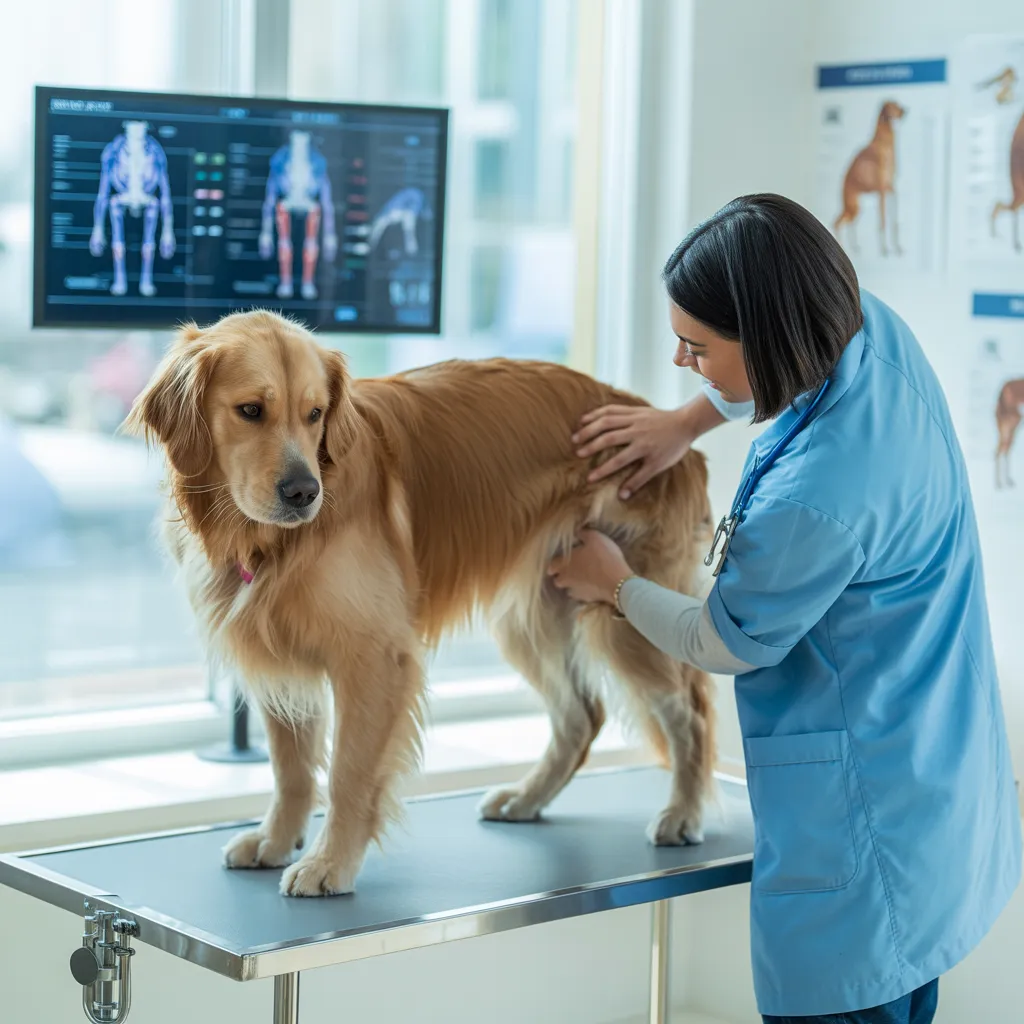
Learning About Hip Dysplasia: Meaning and Development
Hip dysplasia is a widespread and challenging developmental condition affecting the hip joints of dogs. It takes place when the hip joint does not sit properly into the hip socket, resulting in instability. This deformity can stem from a mix of genetic components, environmental factors, and accelerated growth during puppyhood. Specific dog breeds, especially larger types, are more prone to this condition.
Hip dysplasia typically begins early in life, with indications often emerging as the dog grows. Occasionally, the disorder can progress to osteoarthritis, causing additional complications. Proper nutrition, regulated exercise, and weight management play vital in mitigating the dangers connected to hip dysplasia. Early diagnosis and intervention greatly benefit a dog's quality of life, highlighting the need for regular veterinary check-ups. Understanding this condition's nature is important for dog owners to ensure their pets receive appropriate care.
Prevalent Clinical Signs of Hip Dysplasia
While many dogs may initially show no signs, common symptoms of hip dysplasia often become noticeable as they mature. Dogs experiencing this condition may exhibit a noticeable decrease in activity levels, leading to reluctance to engage in play or exercise. Owners might observe a distinctive rabbit-like hopping pattern, where the dog moves both hind legs together rather than rotating them. Lameness or stiffness, particularly after periods of rest, can also be indicative of the condition.
Additionally, dogs may find it difficult to rise from a lying position or display signs of pain when climbing stairs or jumping. Weight gain can emerge due to decreased mobility, further aggravating joint issues. Changes in behavior, such as irritability or withdrawal, may also occur as dogs experience pain. Recognizing these symptoms early can be vital for timely intervention and care of hip dysplasia, ultimately improving the dog's quality of life.
Which Types Are more susceptible to Hip Dysplasia?
Many canine breeds are predisposed to hip dysplasia because of genetic factors and their physical structure. Large and giant breeds, such as German Shepherds, Golden Retrievers, Rottweilers, and St. Bernards, are exceptionally vulnerable. These dogs often have a combination of weight and skeletal conformation that puts additional strain on their hip joints.
Medium breeds like Bulldogs and Boxers also encounter heightened risk, as their distinctive body forms can lead to hip joint damage. In addition, various compact breeds, including Dachshunds and Cocker Spaniels, can develop hip dysplasia, though less commonly than bigger breeds.
Understanding breed predisposition is critical for dog owners and breeders alike, as it emphasizes the necessity of responsible breeding practices and early detection. Periodic veterinary check-ups can help spot potential issues before they advance, maintaining a healthier life for these at-risk breeds.
The Role of Heredity and Surroundings in Hip Dysplasia Development
Recognizing the link between biological and environmental factors is critical in tackling hip dysplasia in dogs. The condition is profoundly influenced by genetic factors, with certain breeds disposed to developing hip dysplasia due to inherited traits. Mutations in genes affecting joint formation can lead to improper development, accelerating the likelihood of hip dysplasia.
Environmental factors also play a vital part. Obesity, for example, places extra strain on a dog's hips, exacerbating the risk of dysplasia. In addition, insufficient nourishment during growth phases can result in skeletal abnormalities. Overexertion during early developmental stages, particularly in large breeds, can additionally contribute to joint problems.
Ultimately, a mixture of hereditary factors and environmental influences creates a complex presentation risk evaluation for hip dysplasia. Understanding these variables allows pet owners and breeders to make informed decisions, potentially mitigating the prevalence of this debilitating condition in dogs.
Why Identifying Hip Dysplasia Promptly Is Crucial
Early identification of hip dysplasia can greatly affect a dog's overall wellbeing and treatment options. Identifying the condition early allows for prompt intervention, which can help manage symptoms and slow the advancement of joint deterioration. When diagnosed at a early age, owners can introduce behavioral modifications, such as controlled exercise and weight control, to reduce stress on the hips. Furthermore, early identification can guide owners in selecting appropriate activities that promote their dog's general wellbeing without exacerbating the condition.
Furthermore, recognizing hip dysplasia early encourages proactive monitoring by veterinarians, leading to improved long-term results. It also opens the door for preventive measures that may decrease discomfort and improve mobility. Ultimately, early detection not only improves a dog's comfort but also strengthens the connection between the dog and owner, as they work collaboratively toward preserving the dog's health and happiness.
Treatment Methods for Hip Dysplasia
Treatment options for hip dysplasia in dogs include a range of strategies customized to individual needs. Surgical interventions, medication for pain management, and lifestyle changes all play vital roles in alleviating symptoms and enhancing quality of life. Understanding these options is essential for dog owners seeking the best care for their pets.
Possible Surgical Interventions Selections
Surgical intervention provides a variety of options for dogs affected by hip dysplasia, designed to reducing pain and enhancing mobility. The most common procedures include femoral head ostectomy (FHO) and total hip replacement (THR). FHO entails extracting the femoral head, enabling the body to form a false joint, which can decrease pain. Total hip replacement, on the other hand, substitutes the entire hip joint with a prosthetic, resulting in improved function and reduced discomfort. Another option is the triple pelvic osteotomy (TPO), which realigns the hip socket to better accommodate the femur. The selection of procedure relies on the dog's age, severity of dysplasia, and overall health, demanding careful consideration by veterinary professionals to ensure ideal outcomes.
Pharmaceutical Treatment and Ache Management
Managing hip dysplasia effectively in dogs typically requires a combination of medications and analgesic strategies aimed at boosting daily comfort. NSAIDs are regularly used to reduce inflammation and relieve discomfort, which allows for improved mobility. Veterinarians may sometimes recommend glucosamine and chondroitin supplements to maintain joint health and function. Corticocopyrights might also be employed for their anti-inflammatory properties, although they pose potential side effects if used long-term. Pain management may further require opioids for more severe discomfort. Close monitoring and tweaks to medication types and dosages are important, as individual responses can vary significantly among dogs, providing best care and comfort throughout the treatment process.
Living and Rehabilitation Methods
Lifestyle and rehabilitation strategies play an essential role in managing hip dysplasia in dogs. Regular, controlled exercise helps maintain muscle strength and joint flexibility, reducing discomfort. Low-impact activities, such as swimming and walking on soft surfaces, are particularly beneficial. Weight management is vital; maintaining a healthy body condition can alleviate stress on the hips. Additionally, physical therapy techniques, including massage and stretching, can enhance mobility and improve overall quality of life. Joint supplements, like glucosamine and omega-3 fatty acids, may also support joint health. Providing a comfortable resting area, using orthopedic beds, and avoiding excessive jumping or stair climbing further contribute to a dog's well-being. Together, these strategies foster a more active, pain-free lifestyle for dogs dealing with hip dysplasia.
Lifestyle Modifications to Help Affected Dogs
Many canines suffering from hip dysplasia can gain substantial advantages from tailored lifestyle changes that enhance their ease and movement. Consistent, gentle physical activity is crucial; activities such as swimming or short walks can help maintain muscle strength without putting stress on the joints. Controlling body weight is also important, as excess weight can worsen symptoms. A balanced diet rich in Omega-3 fatty acids may reduce inflammation and promote joint health.
Furthermore, creating a nurturing rest zone with orthopedic beds can increase rest standards. Adding cartilage support formulas, as suggested by a veterinarian, can further assist in managing discomfort. Regular veterinary check-ups permit for ongoing monitoring and changes to the treatment plan. Also, limiting stairs and installing ramps can help minimize strain on the hips. All in all, a thorough approach based on nutrition, activity, and home environment can substantially boost the quality of life for dogs suffering from hip dysplasia.
Frequently Requested Questions
Can Hip Dysplasia Be Identified Through a Blood Test?
Hip dysplasia cannot be determined using a blood test. Making a diagnosis frequently involves clinical examinations, patient medical history, and diagnostic imaging like X-rays to appraise joint structure and function, giving a detailed understanding of the condition.
Does Hip Dysplasia Cause Pain for Dogs?
Hip dysplasia may be agonizing for dogs, since it produces loose joints and arthritis. Symptoms often include hobbling, challenges standing up, and unwillingness to participate in physical activities, impacting their overall quality of life.
How Can I Stop Hip Dysplasia in My Puppy?
Hip dysplasia in puppies can be avoided through maintaining a healthy weight, providing balanced nutrition, guaranteeing adequate physical activity, and avoiding excessive jumping or rough play, which serve as effective strategies to promote proper joint development and reduce risk.
What Non-traditional Therapeutic Approaches Are Offered for Hip Dysplasia?
Alternative methods for hip dysplasia include acupuncture, physical therapy, and chiropractic adjustments. Additionally, supplements like glucosamine and omega-3 fatty acids may help minimize pain and strengthen mobility, supporting overall joint health in affected dogs.
How Long Is the Lifespan of a Dog With Hip Dysplasia?
A canine with hip dysplasia can enjoy a normal lifespan, usually 10 to 15 years, contingent upon factors such as severity, treatment, and general health status. Management through nutrition, physical activity, and veterinary support significantly affects how long they live.
Comments on “What Are the Signs of Hip Dysplasia in Dogs?”